Commercial Cleaning: Creating Healthier, More Productive Workspaces
Commercial cleaning is more than a routine task; it is a business essential that supports hygiene, productivity, brand image, and long-term asset care. Whether you manage an office, retail shop, warehouse, healthcare practice, or multi-tenant building, professional commercial cleaning helps create an environment where employees can focus, customers feel comfortable, and operations run smoothly. In today’s competitive market, the cleanliness of a workplace can influence everything from first impressions to staff morale.
When people search for commercial cleaning, they are usually looking for dependable ways to keep their premises spotless, safe, and presentable. That need extends far beyond dusting and vacuuming. It includes sanitizing high-touch areas, maintaining floors, managing waste, cleaning restrooms, and ensuring every corner supports a healthier work environment. Well-executed commercial cleaning can also reduce the spread of illness, help preserve surfaces, and contribute to a professional atmosphere that clients and staff appreciate.
Today’s businesses understand that cleanliness is part of their brand promise. A shining reception area, fresh-smelling corridors, and well-kept communal spaces send a strong message: this organization cares about quality. That is why many companies invest in commercial cleaning services tailored to their schedule, building type, and industry standards. From nightly office cleaning to specialized deep cleaning, the right plan can make a measurable difference in day-to-day operations.
Why Commercial Cleaning Matters for Every Business
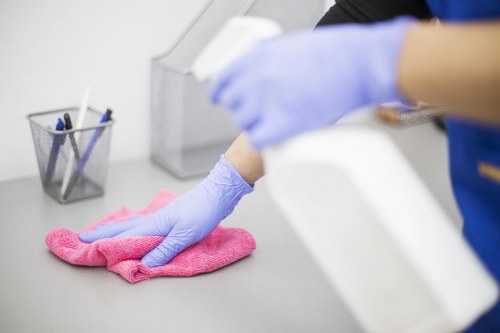
The importance of commercial cleaning reaches far beyond appearances. A clean workplace supports employee wellbeing by minimizing dust, allergens, germs, and clutter. It also helps businesses maintain compliance with safety and hygiene expectations, especially in environments that serve the public or handle sensitive materials. For many organizations, commercial cleaning is not optional; it is a core operational necessity.
Clean surroundings can improve concentration and reduce distractions. Employees often perform better in spaces that are orderly, sanitized, and well maintained. A tidy workplace also reflects a company’s culture and values. When staff see that management prioritizes commercial cleaning, they are more likely to respect the space and maintain higher standards themselves.
In customer-facing environments, cleanliness strongly affects perception. Visitors entering a spotless lobby or showroom are more likely to trust the business, stay longer, and feel confident about the services offered. That is why commercial cleaning is often directly linked to customer satisfaction, retention, and brand reputation. First impressions matter, and a clean property makes one of the strongest possible statements.
Types of Commercial Cleaning Services

Commercial cleaning is not a one-size-fits-all solution. Different businesses require different service levels, cleaning frequencies, and specialized methods. Understanding the main types of commercial cleaning can help decision-makers choose the right support for their property.
Common services often include routine janitorial work, deep cleaning, floor care, window washing, sanitation of touchpoints, restroom maintenance, and waste removal. Depending on the site, a commercial cleaning provider may also handle carpet extraction, pressure washing, post-construction cleanup, or disinfecting protocols. The goal is to match the cleaning plan to the business’s actual needs rather than relying on a generic checklist.
Here are some popular service categories used in commercial cleaning:
- Office cleaning for desks, common areas, meeting rooms, and restrooms
- Retail cleaning for storefronts, fitting rooms, display zones, and customer areas
- Industrial cleaning for warehouses, factories, and production floors
- Medical cleaning focused on sanitization and strict hygiene standards
- Strata or property cleaning for shared spaces, entryways, and corridors
- Specialty cleaning such as carpet, upholstery, and hard-floor restoration
What Makes Commercial Cleaning Different from Regular Cleaning?
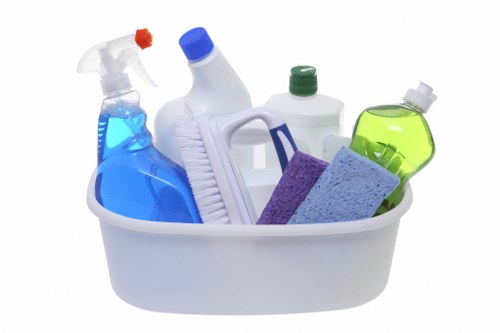
Commercial cleaning differs from residential cleaning in scale, complexity, and standards. A home usually has a predictable layout and lower traffic volume, while a commercial property often includes high-traffic zones, larger square footage, and varied materials that require professional care. Businesses also tend to have stricter expectations for consistency, discretion, and scheduling.
Professional commercial cleaning teams are trained to work efficiently in dynamic environments. They know how to clean around equipment, coordinate with staff, and protect sensitive areas without interrupting workflow. This is especially important in offices, schools, clinics, and retail settings where time is valuable and business continuity matters.
Another key difference is the equipment and products used. Commercial cleaning often relies on industrial-grade vacuums, floor scrubbers, microfiber systems, and specialized disinfectants. These tools allow cleaning crews to deliver better results in less time. In addition, many providers use environmentally responsible solutions to support green cleaning practices and reduce exposure to harsh chemicals.
Benefits of Professional Commercial Cleaning
There are many reasons businesses choose professional commercial cleaning instead of handling all tasks in-house. The advantages go beyond convenience and can create real operational value.
One major benefit is consistency. Trained cleaning teams follow a schedule and checklist, ensuring that key areas receive attention every time. This reliability helps prevent buildup, maintains standards, and keeps the property looking its best. Another advantage is efficiency. Commercial cleaning professionals work quickly and methodically, allowing businesses to save time and focus on core activities.
Professional cleaning also supports longevity. Dirt, moisture, and debris can damage flooring, furniture, fixtures, and surfaces over time. Routine commercial cleaning helps protect those assets, which can reduce repair and replacement costs. Preventive maintenance is often much cheaper than restoration.
Additional advantages include:
- Reduced workplace germs and allergens
- Improved indoor air quality
- Better employee morale and productivity
- Enhanced brand reputation
- Safer floors and common areas
- More welcoming customer experiences
When a business invests in commercial cleaning, it is investing in a cleaner image, a healthier environment, and a smoother operation overall. That combination has lasting value.
Industries That Rely on Commercial Cleaning

Nearly every industry benefits from commercial cleaning, but some sectors rely on it especially heavily. Each environment has unique cleaning requirements based on traffic, regulations, equipment, and customer expectations.
Office buildings need frequent cleaning of desks, conference rooms, kitchens, and restrooms. Retail spaces depend on polished floors, dust-free displays, and spotless customer areas. Medical and dental practices require strict sanitation and careful attention to infection control. Schools and childcare facilities need cleaning routines that support safety and reduce the spread of illness. Industrial and warehouse spaces often require heavy-duty cleaning methods to address dust, grease, and debris.
Some common industries that use commercial cleaning services include:
- Corporate offices and business centers
- Retail stores and shopping complexes
- Healthcare clinics and dental offices
- Educational institutions
- Hospitality venues
- Gyms and fitness centers
- Industrial plants and logistics facilities
Each of these settings benefits from a cleaning plan tailored to its traffic patterns, flooring type, and sanitation needs. That is one reason why customized commercial cleaning is often more effective than a generic approach.
Key Areas That Require Regular Attention
Effective commercial cleaning focuses on the areas that matter most. Some spaces are touched constantly and accumulate dirt, bacteria, and wear more quickly than others. Prioritizing these zones helps keep the entire facility in better shape.
High-touch points such as door handles, elevator buttons, switches, handrails, and shared equipment should be cleaned and disinfected frequently. Restrooms also require strict attention because they are among the most heavily used areas in any commercial property. Kitchens and break rooms need regular cleaning to prevent odors, crumbs, and sanitation issues.
Floors, carpets, windows, and upholstery also play a big role in the overall appearance of a property. A clean floor creates an immediate impression of care and professionalism. Clean glass improves natural light and visibility, while fresh upholstery and carpets support comfort and hygiene. Every visible detail matters.
Typical focus areas in commercial cleaning include:
- Reception desks and waiting areas
- Restrooms and washrooms
- Break rooms and staff kitchens
- Conference and meeting rooms
- Flooring, carpets, and mats
- Doors, switches, and hand contact surfaces
- Windows, glass partitions, and mirrors
How Commercial Cleaning Supports Workplace Health
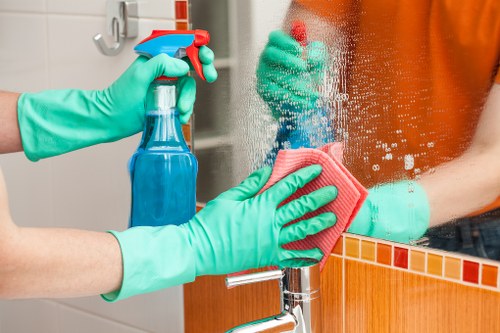
A healthy workplace begins with a clean workplace. Commercial cleaning plays a major role in reducing germs, bacteria, dust, and allergens that can affect staff and visitors. This is especially important during flu season, periods of high foot traffic, or in buildings with shared workstations and communal spaces.
Regular cleaning helps limit the spread of illnesses by removing contaminants from surfaces people touch every day. It can also improve indoor air quality by reducing dust accumulation and managing pollutants. For employees with allergies or sensitivities, this can make a noticeable difference in comfort and focus.
Businesses that prioritize sanitation often find that commercial cleaning contributes to fewer sick days and better overall morale. Clean restrooms, sanitized break areas, and dust-free offices create a healthier environment that supports both physical and mental wellbeing. People feel better in clean spaces, and that comfort matters in every industry.
Choosing the Right Commercial Cleaning Partner
Selecting the right commercial cleaning provider is an important decision. A reliable partner should understand your industry, building layout, schedule, and expectations. They should also have the right equipment, training, and processes to deliver consistent results.
When evaluating commercial cleaning companies, it helps to look at their experience, service range, flexibility, and quality control practices. A good provider should be able to explain how they clean, what products they use, and how they handle special requests. They should also be transparent about scheduling, scope, and performance expectations.
Before signing an agreement, consider asking about:
- Service frequency and availability
- Training and supervision procedures
- Eco-friendly cleaning product options
- Industry-specific experience
- Quality assurance methods
- Emergency or after-hours support
Questions worth asking during evaluation
How does the provider customize commercial cleaning for different business types? What steps are taken to ensure quality each visit? Are the cleaners familiar with sensitive areas or specialized flooring? Can the schedule be adjusted during busy seasons? These questions help ensure the service aligns with your operational needs.
Book your service now if you are ready to bring more structure, consistency, and professionalism to your workplace cleaning routine.
Commercial Cleaning Frequency: How Often Is Enough?
The right cleaning frequency depends on the size of the property, the number of occupants, and the type of activity taking place. A busy office with many staff and visitors may require daily service, while a small administrative space might only need cleaning several times a week. Retail stores, medical clinics, and food-related businesses often need more frequent attention because of customer traffic and hygiene expectations.
A flexible commercial cleaning schedule often works best. It may include daily surface cleaning, weekly deep cleaning tasks, and monthly maintenance for floors, windows, or upholstery. This layered approach ensures that visible areas stay clean while less obvious buildup is also addressed over time.
Here is a simple way to think about scheduling:
- Daily: bins, restrooms, touchpoints, entry areas, and floors
- Weekly: dusting, kitchen cleaning, glass, and detail work
- Monthly: deep cleaning, carpet care, and floor polishing
- Quarterly: specialty tasks, seasonal sanitation, and high-level maintenance
Commercial cleaning should never feel random. A structured schedule keeps standards high and prevents small issues from turning into larger problems.
Eco-Friendly Commercial Cleaning and Modern Expectations
Many organizations now prefer environmentally conscious commercial cleaning because it supports sustainability goals and can create a more pleasant indoor environment. Green cleaning emphasizes safer products, efficient methods, reduced waste, and better resource management.
Eco-friendly commercial cleaning does not mean compromising on quality. In fact, modern green products and microfiber systems can deliver excellent results while reducing strong odors and unnecessary chemical exposure. This can be especially beneficial in schools, offices, and healthcare-adjacent settings where air quality and occupant comfort matter.
Businesses also appreciate that sustainable cleaning practices can align with broader corporate responsibility efforts. Choosing less wasteful supplies, smarter water usage, and products with lower environmental impact shows that a business is thinking carefully about its footprint. Clean spaces and responsible practices can work together beautifully.
Common green cleaning practices
- Using biodegradable or low-toxicity products
- Reducing disposable waste where possible
- Choosing reusable microfiber materials
- Optimizing equipment for efficiency
- Supporting better indoor air quality
The Role of Commercial Cleaning in Brand Image
Cleanliness has a powerful influence on how a brand is perceived. A well-maintained property suggests organization, attention to detail, and respect for customers and employees. On the other hand, dirty floors, dusty surfaces, or unpleasant restrooms can damage credibility very quickly.
Commercial cleaning supports the visual identity of a business in subtle but important ways. It reinforces professionalism, helps spaces photograph better for marketing purposes, and contributes to a consistent customer experience. In public-facing industries, that consistency can be a major competitive advantage.
Think of commercial cleaning as part of your brand presentation. Just as a logo, website, and signage communicate who you are, so do your floors, windows, and common areas. Cleanliness is branding, and branding is part of business success. If you want to stand out, keep your environment as polished as your service.
Commercial Cleaning Tips for Better Results
Even when a professional team handles the work, businesses can support better outcomes by following a few simple habits. Small actions make commercial cleaning more effective and help keep the workplace presentable between scheduled visits.
Start by reducing clutter. Clear desks, organized storage, and labeled waste areas make it easier for cleaning teams to do their job thoroughly. Encourage staff to tidy shared spaces at the end of the day. This creates a smoother workflow and helps protect equipment and documents.
It is also useful to communicate priorities clearly. If certain rooms, surfaces, or shifts require special care, share that information with the cleaning provider. The more they understand about daily operations, the better they can tailor their commercial cleaning approach. Clear communication leads to better results.
Simple best practices include:
- Keep pathways clear for cleaning access
- Report spills and damage quickly
- Store supplies properly
- Set expectations for shared spaces
- Review service checklists regularly
Why Businesses Continue Investing in Commercial Cleaning
Businesses continue to invest in commercial cleaning because it delivers practical, visible, and long-term benefits. It supports health, improves appearance, protects assets, and creates an environment where people feel welcome. In an economy where trust and efficiency matter, these outcomes are worth prioritizing.
Professional commercial cleaning can also reduce stress for business owners and facility managers. Knowing that cleaning is handled by trained professionals allows teams to focus on strategy, service, and growth rather than constantly worrying about maintenance. That peace of mind has real value.
As workspaces evolve, commercial cleaning remains essential. From open-plan offices to hybrid workplaces, from retail spaces to industrial sites, the need for reliable hygiene and upkeep is not going away. Instead, it is becoming more important as businesses aim to create safer, more attractive, and more efficient environments. Now is the time to upgrade your standards.
Whether you are looking for routine maintenance, deep sanitation, or specialized cleaning support, the right commercial cleaning plan can make a noticeable difference. Contact us today to take the next step toward a cleaner, healthier workplace, and book your service now to keep your business looking its best all year long.