End of Tenancy Cleaning: A Practical, SEO-Friendly Approach to a Stress-Free Move
What End of Tenancy Cleaning Really Means

End of tenancy cleaning is the deep, detailed clean carried out when a tenant is moving out of a rental property. The aim is simple: return the home to a condition that is clean, presentable, and ready for the next occupant. Unlike everyday housekeeping, end of tenancy cleaning focuses on areas that often get overlooked during regular weekly cleaning, such as inside appliances, behind furniture, skirting boards, grout lines, and high-touch surfaces.
For tenants, this process can directly affect how much of the deposit is returned. For landlords and letting agents, it helps maintain property standards and reduces the turnaround time between tenancies. In other words, professional end of tenancy cleaning is not just about making the space look nice; it is about protecting value, ensuring hygiene, and meeting expectations on both sides of the rental agreement.
Because moving is already stressful, many people search for end of tenancy cleaning services that can handle the hard work efficiently. Whether you are a tenant preparing for inspection or a landlord readying a property for new occupants, this service can make the final stage of a tenancy much smoother.
Why End of Tenancy Cleaning Matters

One of the biggest reasons people book end of tenancy cleaning is to increase the chance of a full deposit return. In many rental agreements, the property must be left in the same state of cleanliness as when the tenancy began, allowing for normal wear and tear. If the cleaning falls short, deductions may be applied.
It also matters because property managers and landlords often carry out detailed check-out inspections. These inspections may include kitchen appliances, bathroom fixtures, windows, carpets, and hidden corners. A thorough end of lease cleaning routine helps reduce disputes and creates a better overall handover experience.
Beyond deposits and inspections, there is also a practical side. A properly cleaned rental property is easier to market, quicker to re-let, and more appealing to prospective tenants. For this reason, many letting professionals treat tenancy cleaning as a standard part of the property lifecycle rather than an optional extra.
What Is Usually Included in End of Tenancy Cleaning?
A proper end of tenancy cleaning service typically covers the entire property from top to bottom. While each provider may offer different packages, the most common tasks are quite similar and designed to meet the expectations of landlords and agents.
Common areas included
- Dusting and wiping all surfaces
- Cleaning skirting boards, doors, and frames
- Vacuuming and mopping floors
- Degreasing kitchen surfaces and cabinets
- Cleaning sinks, taps, and bathroom fittings
- Removing limescale from showers and tiles
- Cleaning inside and outside of appliances
- Cleaning mirrors and glass surfaces
- Spot-cleaning marks on walls where possible
- Emptying bins and removing debris
Some providers also include extras such as carpet cleaning, upholstery cleaning, oven cleaning, and window cleaning. These add-ons are often worth considering because they address some of the areas most likely to be checked during the final inspection.
Deep cleaning at the end of a tenancy goes beyond the surface. It is designed to remove built-up grime, grease, dust, and residue that can accumulate over time. That is why rental property cleaning is usually more intensive than regular domestic cleaning.
Rooms That Need the Most Attention

Although every room should be cleaned carefully, some areas need special attention during end of tenancy cleaning. Kitchens and bathrooms tend to be the most demanding because they collect grease, limescale, soap scum, and bacteria faster than other spaces.
The kitchen
The kitchen is often the room that attracts the closest inspection. Cleaners typically focus on the oven, hob, extractor fan, splashbacks, cupboards, fridge, freezer, sink, and countertop areas. A spotless kitchen can significantly improve the overall impression of the property.
The bathroom
Bathrooms require careful descaling and sanitising. Taps, shower screens, toilets, tiles, grout, mirrors, and basins should all be cleaned thoroughly. A neglected bathroom can quickly lead to avoidable deductions, so this room deserves extra time and effort.
Living areas and bedrooms
In living rooms and bedrooms, the focus usually shifts to dust removal, vacuuming, cleaning under furniture, wiping wardrobes, and removing cobwebs. If carpets are stained or heavily worn, professional tenancy cleaning may include steam cleaning or specialist carpet treatment.
How to Prepare for End of Tenancy Cleaning

Preparation makes a big difference. Even if you are using a end of tenancy cleaning company, organizing the property beforehand can save time and improve the final result. The more accessible the home is, the easier it is for cleaners to work efficiently and properly.
Useful preparation steps
- Remove all personal belongings before the cleaning begins.
- Take out rubbish and unwanted items.
- Defrost the fridge and freezer if they need cleaning.
- Disconnect appliances if required by the provider.
- Report any damage that should not be mistaken for dirt.
- Check whether the tenancy agreement mentions specific cleaning expectations.
It is also a good idea to photograph the property before and after cleaning, especially if there may be disagreements later. This creates a record of the condition of the property and helps demonstrate that the end of tenancy cleaning was carried out properly.
If you are doing the cleaning yourself, plan enough time. Rushing can lead to missed details, and missed details are often what stand out most in an inspection. A realistic schedule can turn a stressful move into a manageable process.
DIY vs Professional End of Tenancy Cleaning
Many tenants wonder whether they should handle end of tenancy cleaning themselves or hire professionals. Both options have advantages, and the right choice often depends on budget, time, and the condition of the property.
DIY cleaning can save money, especially if the property is already in good shape and only needs a detailed final clean. However, it can be time-consuming and physically demanding, particularly if the kitchen or bathroom requires heavy scrubbing or if the property is large.
Professional end of tenancy cleaning, on the other hand, offers speed, expertise, and a higher likelihood of meeting inspection standards. Trained cleaners usually bring specialist products and tools, which can make a noticeable difference in stubborn areas such as ovens, grout, and limescale buildup.
When professional cleaning may be the better choice
- You are short on time before checkout
- The property has multiple rooms or heavy use
- There are carpets, upholstery, or appliances needing specialist care
- The letting agent has strict cleaning requirements
- You want to reduce the risk of deposit deductions
In many cases, the peace of mind offered by end of lease cleaning services is worth the cost. It allows you to focus on your move while experienced cleaners handle the more demanding tasks.
How Much Does End of Tenancy Cleaning Cost?
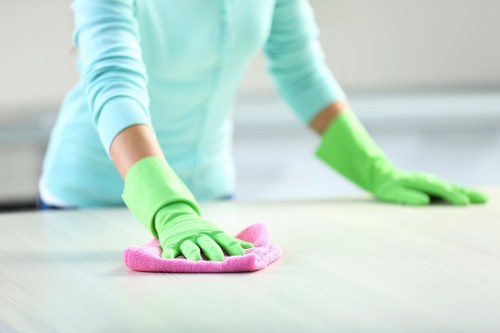
The cost of end of tenancy cleaning can vary depending on the size of the property, its condition, and the level of cleaning required. A studio flat will usually cost less than a large family home, and a well-maintained property will generally take less time to clean than one with heavy buildup.
Factors that influence pricing
- Number of bedrooms and bathrooms
- Property size in square footage
- Amount of cleaning needed
- Whether appliances are included
- Carpet or upholstery cleaning requirements
- Location and travel distance
- Urgency of the booking
Some companies offer fixed-price packages, while others provide custom quotes after assessing the property. A fixed price can be convenient, but a tailored quote may be better if the home has unusual requirements or extra tasks. Either way, compare what is included before deciding.
Remember that the cheapest option is not always the best. A low-cost service may leave out important areas or use less effective methods. When it comes to move-out cleaning, value matters more than price alone.
Checklist for a Thorough End of Tenancy Clean
A structured checklist helps ensure nothing gets missed during end of tenancy cleaning. If you are cleaning the property yourself, or even if you are checking the work of a hired team, this list can be very useful.
Room-by-room checklist
- Kitchen: clean oven, hob, extractor, cabinets, sink, taps, splashbacks, fridge, freezer, and floors
- Bathroom: descale shower, polish taps, disinfect toilet, clean tiles, mirror, basin, and floor
- Bedrooms: dust surfaces, wipe wardrobes, clean light switches, vacuum floors, remove marks where possible
- Living room: dust fixtures, clean windows, vacuum carpets, wipe skirting boards, remove cobwebs
- Hallway: clean door handles, banisters, floors, and entrance areas
- Utility areas: wipe machines, clean sinks, remove lint, and clear hidden dirt
Using a checklist also helps keep the process organized and less overwhelming. Instead of jumping from one task to another, you can work methodically and finish each room to a high standard.
Thorough tenancy cleaning is often about consistency. The more systematic your approach, the more likely you are to impress during the final inspection.
Common Mistakes to Avoid
Even when people try hard, a few common mistakes can undermine end of tenancy cleaning. Avoiding these errors can save time, money, and frustration later.
Frequent mistakes
- Leaving cleaning until the last minute
- Ignoring hidden areas like behind appliances or under beds
- Forgetting to clean inside cupboards and drawers
- Using the wrong product on delicate surfaces
- Neglecting carpets, skirting boards, or window tracks
- Assuming “visually clean” is enough for inspection standards
Another mistake is not checking the tenancy agreement. Some landlords require specific cleaning outcomes, especially for ovens, carpets, or professionally cleaned items. If you are unsure, reviewing the inventory report can help you understand what is expected.
Attention to detail is essential. A property can look clean at first glance but still fail an inspection if dust, grease, or residue remain in overlooked areas. That is why professional end of tenancy cleaning is often preferred for high-standard rentals.
Tips for Getting the Best Results
Whether you are hiring experts or tackling the job yourself, a few practical tips can make end of tenancy cleaning more effective.
Practical tips
- Start from the top of each room and work downward
- Use the right cleaning products for each surface
- Allow enough time for stubborn stains and buildup
- Open windows to improve airflow while cleaning
- Replace any missing lightbulbs if requested
- Check drawers, cupboards, shelves, and storage spaces
- Finish with floors so dust and debris are removed last
It can also help to clean the property in stages. For example, tackle the kitchen on one day and the bathrooms the next, rather than trying to do everything in one rushed session. This approach is especially useful if you are moving household items at the same time.
If you book end of tenancy cleaning services, ask what is included and what is excluded. Clear expectations make it easier to avoid surprises and ensure the service matches what the property needs.
Why Landlords and Letting Agents Value a Clean Handover
From the landlord’s perspective, end of tenancy cleaning is about protecting the property and keeping the rental cycle efficient. A properly cleaned home is easier to inspect, easier to market, and more attractive to new tenants. This is one reason why many property professionals place such high importance on final cleans.
Letting agents also benefit from a smooth handover because it reduces delays between tenancies. If a property is left in poor condition, it can slow down re-listing, create extra work, and lead to complaints from incoming tenants. A well-executed end of lease cleaning process avoids many of these issues.
For tenants, understanding this perspective can be helpful. The goal is not just to “clean enough,” but to leave the property in a condition that supports a professional handover. Meeting that standard can make the final stage of the tenancy feel much more straightforward.
Final Thoughts on End of Tenancy Cleaning
End of tenancy cleaning is one of the most important tasks during a move. It affects deposit returns, inspection results, and the overall condition in which a property is handed back. Done well, it creates a positive final impression and helps both tenants and landlords avoid unnecessary stress.
Whether you choose to clean the property yourself or hire professionals, the key is to be thorough, organized, and realistic about the amount of effort involved. Kitchens, bathrooms, carpets, and hidden corners deserve particular attention, and using a structured checklist can make the whole process much easier.
If you want a smoother move and a cleaner handover, now is the time to act. Contact us today to discuss your needs, or book your service now to secure expert help for your end of tenancy cleaning requirements.
Helpful reminders
Clean early. Check the agreement. Focus on detail. These simple habits can make a major difference when moving out of a rental property.
In short
End of tenancy cleaning is not just a final chore; it is an important part of leaving a rental on good terms and setting up the next chapter with confidence.