Communal Area Cleaning: Creating Cleaner, Safer, and More Welcoming Shared Spaces
Why Communal Area Cleaning Matters in Modern Buildings
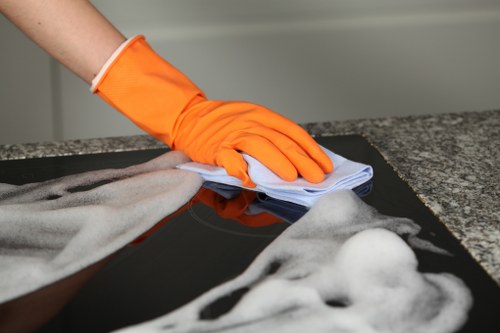
Communal area cleaning is one of the most important services for shared properties, yet it is often overlooked until something starts to look untidy. Whether it is an apartment block, office complex, residential estate, school, or mixed-use building, the condition of shared spaces shapes how people feel about the entire property. A clean entrance hall, polished corridor, and well-maintained lift lobby can create a positive first impression instantly.
When communal areas are cleaned regularly, residents, tenants, visitors, and staff all benefit. These spaces experience constant foot traffic, which means dust, dirt, germs, and litter build up quickly. Without proper upkeep, shared areas can become unpleasant and unhygienic. That is why communal area cleaning is not just about appearances; it is about hygiene, safety, comfort, and property value.
Well-managed communal area cleaning also supports long-term maintenance. Dirt and moisture can damage flooring, carpets, walls, handrails, and fixtures over time. By keeping these spaces in good condition, property managers can reduce repair costs and preserve the overall look of the building.
What Is Communal Area Cleaning?
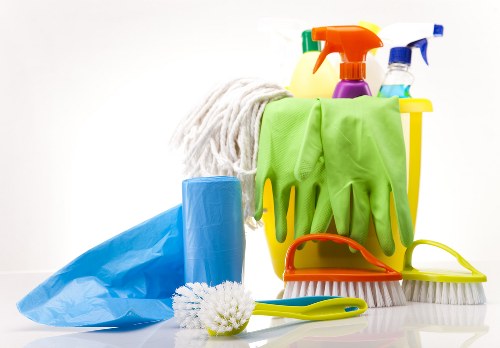
Communal area cleaning refers to the routine cleaning and maintenance of spaces that are shared by multiple occupants. These areas are not private to a single household or tenant, which means they require a structured cleaning plan that supports everyone who uses them. A reliable communal area cleaning service typically covers entrances, stairwells, corridors, lift interiors, reception areas, shared kitchens, and other high-traffic spaces.
In many buildings, communal area cleaning is scheduled daily, weekly, or several times a week depending on usage. The service may include sweeping, vacuuming, mopping, sanitising high-touch surfaces, emptying bins, spot-cleaning walls, and removing cobwebs or debris. In some properties, it may also involve additional tasks such as cleaning windows, polishing metal fixtures, or maintaining outdoor shared walkways.
Because communal spaces vary so much from building to building, the cleaning plan should always be adapted to the property’s size, layout, and traffic levels. Effective communal area cleaning is never a one-size-fits-all service.
Key Benefits of Regular Communal Area Cleaning
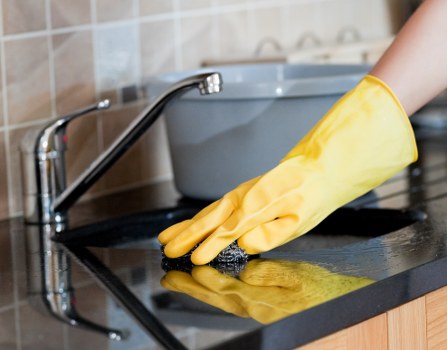
Regular communal area cleaning delivers a wide range of benefits that go beyond simple tidiness. One of the biggest advantages is improved hygiene. Shared spaces can carry bacteria and viruses because many people touch the same doors, railings, lift buttons, and switches. Consistent cleaning and disinfection help reduce the spread of illness and create a healthier environment.
Another major benefit is safety. Dirt, moisture, and clutter can create slip hazards in hallways, staircases, and entrances. Communal area cleaning helps reduce these risks by keeping floors dry, clear, and well-maintained. A clean building is often a safer building, especially in areas where children, older adults, or visitors move through frequently.
There is also a strong visual benefit. People naturally judge a property based on how its shared spaces look and smell. Fresh, tidy communal areas can improve resident satisfaction, tenant retention, and visitor confidence. In fact, clean communal areas often influence whether a building feels professionally managed or neglected.
Additional Advantages for Property Owners and Managers
Property managers and landlords also gain financial benefits from consistent communal area cleaning. Clean surfaces last longer, carpets wear more evenly, and fixtures remain in better condition. This can reduce long-term maintenance expenses and help protect the value of the property.
For residential buildings, regular communal area cleaning can reduce complaints from residents. Shared spaces are often the source of disputes when cleaning is inconsistent or standards slip. A dependable cleaning schedule promotes fairness and keeps expectations clear.
In commercial buildings, communal area cleaning supports a more professional atmosphere. Tenants, employees, and clients all notice when entrance halls, meeting areas, and shared facilities are clean. That creates a better experience for everyone involved.
Areas Commonly Covered in Communal Area Cleaning

Communal area cleaning can cover a wide range of shared spaces depending on the building type. The most common areas include:
- Entrance halls and lobbies
- Staircases and stairwells
- Corridors and hallways
- Lift interiors and lift doors
- Reception or concierge areas
- Shared kitchens and break rooms
- Bin stores and refuse areas
- Communal toilets
- Shared laundry rooms
- External walkways and door thresholds
Each area requires a different level of attention. For example, entrances tend to gather mud, leaves, and water, while lift buttons and handrails need frequent disinfection due to touch points. Bin stores may require odour control and sanitising, while shared kitchens need attention to hygiene and food-safe cleanliness.
When communal area cleaning is tailored to each space, the entire property feels more orderly, healthier, and easier to maintain.
How Often Should Communal Areas Be Cleaned?
The right frequency for communal area cleaning depends on how many people use the building and what type of space it is. A busy apartment block with dozens of residents will need more frequent cleaning than a smaller property with limited foot traffic. The same applies to office buildings, where shared areas may require daily attention during the workweek.
As a general rule, high-traffic areas such as entrances, corridors, and lift lobbies should be cleaned at least several times per week, and sometimes daily. Staircases and handrails should also be checked regularly. Less frequently used spaces may be cleaned on a weekly basis, though they still need routine inspection.
Seasonal changes can also affect schedules. During rainy or snowy weather, communal area cleaning often needs to increase because of mud, slush, and moisture being tracked indoors. In warmer months, dust and odours may become more noticeable, requiring adjustments to the cleaning plan.
Professional Standards in Communal Area Cleaning

High-quality communal area cleaning should follow clear standards. The goal is not simply to make spaces look clean for a short period, but to maintain a consistently pleasant environment. Professional cleaners usually work from a checklist so that no area is overlooked and service remains consistent.
Typical standards include removing visible dirt, sanitising touchpoints, vacuuming or mopping thoroughly, emptying waste bins, and using suitable cleaning products for each surface. Cleaners should also pay attention to detail in corners, edges, skirting boards, and other areas where dust often accumulates.
Reliable communal area cleaning services also use safe and appropriate methods. For example, delicate surfaces require the right chemicals, while electronic touchpoints need care to avoid damage. Professionalism matters because poor cleaning can create streaks, residue, or even harm to building materials.
Why Consistency Is More Important Than Occasional Deep Cleaning
Many property owners assume that one-off deep cleaning is enough, but communal area cleaning works best when it is consistent. Shared spaces quickly become dirty again if they are not maintained regularly. Consistent cleaning prevents dirt from building up and helps preserve a high standard every day.
Deep cleaning can still be valuable, especially for carpets, hard-to-reach corners, and seasonal maintenance. However, it should complement routine communal area cleaning rather than replace it. Daily or weekly upkeep keeps the environment presentable and reduces the need for more intensive corrective work later.
Consistency also builds trust. Residents and tenants notice when communal areas are always tidy. That sense of reliability reflects well on the property manager or landlord and improves overall satisfaction.
Common Challenges in Communal Area Cleaning
Communal area cleaning is not always straightforward. Shared properties often present specific challenges that require experience and flexibility. One common issue is heavy foot traffic, which means dirt accumulates faster than in private spaces. Another challenge is unpredictable use; for example, residents may leave rubbish in corridors, visitors may track in mud, or spills may happen without warning.
Different users also have different expectations. Some residents want a spotless entrance at all times, while others focus more on odour control or bin area maintenance. Balancing these expectations requires clear communication and a structured cleaning schedule.
There may also be access issues. Cleaners may need keys, codes, or permission to enter certain shared areas. In larger properties, the cleaning team must work efficiently around occupancy patterns to avoid disruption. Good communal area cleaning services solve these issues with planning, reliability, and attention to detail.
Health, Hygiene, and Germ Control in Shared Spaces
One of the strongest reasons to invest in communal area cleaning is hygiene. Shared buildings create many opportunities for germs to spread because multiple people touch the same surfaces every day. Door handles, lift buttons, intercoms, light switches, bannisters, and handrails are all high-touch areas that need frequent care.
Proper cleaning helps reduce contamination and supports a healthier environment for everyone. This is especially important in residential buildings housing older adults, families with young children, or individuals with health sensitivities. It is equally important in office environments where staff wellbeing can influence productivity and attendance.
Using the right cleaning products and methods matters. Disinfecting touchpoints, removing organic matter, and keeping waste areas clean all contribute to a healthier shared space. Communal area cleaning plays a key role in daily infection control without making the building feel clinical or unwelcoming.
Choosing the Right Communal Area Cleaning Service
Selecting a cleaning provider for shared spaces should never be rushed. The best communal area cleaning service is one that understands the building, listens to needs, and maintains a dependable schedule. Experience in residential blocks, office buildings, or mixed-use properties can be a valuable indicator of quality.
Look for a service that offers flexibility, clear communication, and consistent standards. It should be able to provide a tailored plan based on the size of the property, the number of occupants, and the level of foot traffic. A good provider will also be transparent about what is included in the service and how often each area will be cleaned.
It is also wise to check whether the team is trained to handle different surfaces and cleaning requirements. Communal areas often include a mix of carpet, tile, glass, metal, and painted finishes. A capable cleaner understands how to care for all of these safely and effectively.
Questions to Ask Before Hiring
Before choosing a provider, it helps to ask practical questions such as:
- What exactly is included in the communal area cleaning schedule?
- How often will each area be serviced?
- Are cleaning products suitable for the building materials?
- Can the service be adjusted during busy periods or seasonal changes?
- How are quality checks handled?
- What happens if additional cleaning is needed outside the regular schedule?
These questions help ensure that expectations are clear from the start. A professional provider should be able to explain its process confidently and adapt the service to the building’s needs.
If you are responsible for a shared property, choosing the right communal area cleaning plan can make a noticeable difference in the day-to-day experience of everyone who uses the building.
Best Practices for Maintaining Clean Communal Areas
There are several best practices that support strong communal area cleaning results. First, a clear schedule should be in place so tasks are completed consistently. Second, high-touch surfaces should be prioritised, especially in busy buildings. Third, waste management should be handled carefully so bins, refuse rooms, and recycling points remain hygienic.
Another important practice is regular inspection. Even with a cleaning schedule, property managers should occasionally review the condition of shared areas to ensure standards are being met. This helps identify issues early, such as stained carpets, damaged flooring, overflowing bins, or neglected corners.
It is also useful to encourage building users to play a role. Simple signage about bin use, recycling, and keeping corridors clear can support cleaner shared spaces. While professional communal area cleaning is essential, residents and tenants can help maintain standards by respecting the building’s common areas.
The Role of Communal Area Cleaning in Property Presentation
Presentation matters in both residential and commercial settings. A neat, fresh communal space suggests the entire property is well looked after. This can increase curb appeal, improve tenant perceptions, and support higher satisfaction levels across the board.
For landlords, communal area cleaning can also help protect rental value. Potential tenants often look closely at shared hallways, entryways, and exterior access points when deciding whether a property feels worth the price. A clean and organised environment can make a strong impression before anyone even sees the private unit.
In business settings, presentation is tied closely to professionalism. Clients, suppliers, and employees are more likely to trust a company that maintains clean shared spaces. The look and feel of the property can subtly influence how the organisation is perceived.
Eco-Friendly Approaches to Communal Area Cleaning
Many buildings are now looking for greener ways to manage communal area cleaning. Eco-friendly cleaning practices can reduce chemical use, lower environmental impact, and improve indoor air quality. This approach is especially useful in shared environments where many people pass through daily.
Sustainable cleaning options may include biodegradable products, reusable cleaning cloths, water-efficient methods, and better waste separation. Some providers also use microfibre systems that reduce the need for harsh chemicals while still delivering excellent results. Eco-conscious communal area cleaning supports both hygiene and sustainability.
For property managers, adopting greener methods can also improve the building’s image. More residents and tenants now value environmentally responsible services, so sustainable cleaning can be a positive feature rather than just a behind-the-scenes process.
How Communal Area Cleaning Supports Resident Satisfaction
Resident satisfaction is closely tied to the condition of shared areas. When hallways smell fresh, staircases are clear, and entrances are tidy, people feel that their home environment is respected. That sense of care can improve relationships between residents and management.
Regular communal area cleaning also reduces friction. Complaints about dirty corridors, overflowing bins, or neglected lobbies can become common in poorly managed buildings. A dependable cleaning service helps prevent these frustrations and creates a calmer living environment.
Residents are more likely to feel proud of their building when the communal areas are clean and maintained. That pride can encourage better behaviour, such as keeping shared spaces tidy and reporting issues promptly.
Communal Area Cleaning for Different Property Types
Different properties need different communal area cleaning approaches. In apartment blocks, stairwells, entrances, and bin areas may be the priority. In office buildings, reception spaces, lifts, shared kitchens, and toilets may need more frequent attention. In schools or educational facilities, hygiene and safety become even more important due to the volume of daily users.
Mixed-use developments often present the greatest challenge because residential and commercial users may share certain access points. In these cases, communal area cleaning must be carefully timed and coordinated to avoid disruption while still maintaining high standards.
No matter the property type, the principle remains the same: shared spaces need regular, detail-focused maintenance. A thoughtful cleaning plan ensures each area is cleaned according to its use and traffic level.
Signs Your Communal Areas Need More Attention
Sometimes it is obvious that cleaning frequency is too low, but in other cases the signs are subtle. If residents complain about dust, odours, stained floors, or dirty handrails, the cleaning schedule may need to be reviewed. Litter build-up, visible marks on walls, and neglected corners are also warning signs.
Other clues include slippery floors after wet weather, overflowing waste bins, and dull or sticky surfaces in high-touch areas. If the building’s shared spaces no longer feel fresh or welcoming, it may be time to increase the level of communal area cleaning.
Regular inspection and feedback from occupants can help identify these problems early. Quick action can prevent small issues from turning into larger maintenance concerns.
Final Thoughts on Communal Area Cleaning
Communal area cleaning is an essential part of keeping shared buildings safe, attractive, and comfortable. It supports hygiene, protects property value, improves resident satisfaction, and helps create a strong first impression for every visitor. Whether the property is residential, commercial, or mixed-use, clean communal spaces make a meaningful difference every day.
A well-planned cleaning schedule, trained staff, and consistent standards all contribute to better results. When communal areas are maintained properly, they become spaces people can move through confidently and comfortably. That is why investing in professional communal area cleaning is not just a cosmetic choice; it is a practical decision with lasting benefits.
If you are responsible for a shared property, now is the time to review your cleaning standards and make sure they match the expectations of the people using the building. Book your service now and create a cleaner, safer, and more welcoming environment for everyone.