Deep Cleaning in Modern Homes: What It Includes, Why It Matters, and How to Do It Right
Deep cleaning is more than a routine tidy-up. It is the kind of detailed cleaning that reaches hidden dust, built-up grime, and neglected areas that regular cleaning often misses. Whether you are refreshing a home before guests arrive, preparing for a move, or simply wanting a healthier living environment, deep cleaning can make an impressive difference. It improves comfort, supports hygiene, and helps your space feel genuinely renewed.
In many households, people keep up with surface cleaning but postpone the more intensive tasks that require extra time and effort. That is where deep cleaning comes in. It focuses on the places where dirt accumulates slowly over time: behind appliances, under furniture, inside vents, around fixtures, and in corners that rarely get attention. Done properly, it creates a cleaner, fresher, and more inviting home.
Deep cleaning is not only about appearance. It can also help reduce allergens, remove odors, extend the life of surfaces, and make daily maintenance easier. If you have ever walked into a freshly cleaned home and immediately felt the difference, you already understand the value of a true deep clean.
What Deep Cleaning Really Means
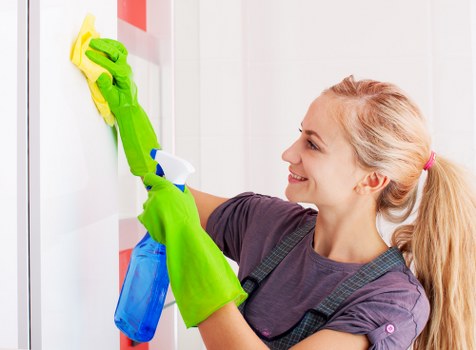
Deep cleaning refers to a thorough, detail-focused cleaning process that goes beyond everyday chores. While regular cleaning may include vacuuming, wiping counters, and washing dishes, deep cleaning targets areas that are often missed or cleaned only occasionally. This can include scrubbing grout, degreasing kitchen appliances, sanitizing bathroom fixtures, dusting baseboards, and washing overlooked surfaces.
Unlike a quick surface clean, deep cleaning services or at-home deep cleaning routines often involve moving items, cleaning behind and beneath furniture, and using stronger methods to eliminate buildup. The result is not just a tidy space, but one that feels healthier and more thoroughly refreshed.
For many homeowners, deep cleaning also serves as a reset. It is a chance to restore order after a busy season, tackle accumulated mess, and set up a better routine moving forward. That reset effect is one of the biggest reasons people value deep cleaning so highly.
Why Deep Cleaning Matters
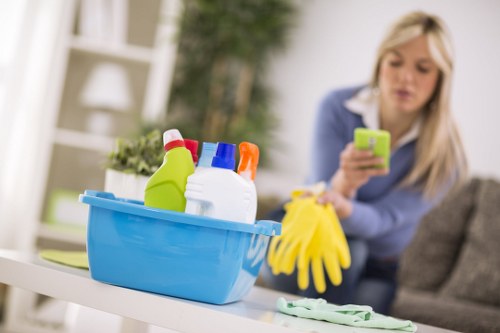
There are several practical reasons why deep cleaning should be part of home care. First, it helps maintain hygiene by removing bacteria, dust, grease, and other residues that can build up over time. Regular cleaning may keep a room looking acceptable, but deep cleaning helps address the hidden sources of dirt that affect cleanliness at a deeper level.
Second, deep cleaning supports better indoor air quality. Dust, pet dander, pollen, and other particles settle on surfaces and can circulate through the air when disturbed. Cleaning vents, wiping high shelves, and vacuuming thoroughly can make a noticeable difference, especially for people with allergies or sensitivities.
Third, deep cleaning helps preserve the condition of your home. Grime left on floors, tiles, countertops, and appliances can wear down surfaces over time. By removing buildup early, you can extend the lifespan of materials and reduce the risk of costly repairs or replacements.
How Deep Cleaning Differs from Regular Cleaning
It is easy to confuse regular cleaning with deep cleaning, but the two are not the same. Regular cleaning is typically about upkeep. It keeps a home presentable and manageable from week to week. Deep cleaning is the more intensive version, designed to reach the dirt and buildup that routine maintenance does not fully address.
For example, regular cleaning may include sweeping the kitchen floor. Deep cleaning may include moving appliances to clean underneath them, washing the baseboards, and scrubbing grease from the oven exterior and nearby walls. In the bathroom, regular cleaning might cover the sink and toilet, while deep cleaning includes descaling showerheads, scrubbing tile grout, and disinfecting behind fixtures.
Think of it this way: regular cleaning maintains a standard, while deep cleaning restores the home to a higher level of cleanliness. Both matter, but deep cleaning is where the real transformation happens.
Areas That Need Deep Cleaning Most Often

Some parts of the home need extra attention more frequently than others. These areas tend to accumulate grime faster because they are used often or are harder to reach during routine cleaning. Knowing where to focus can make deep cleaning far more effective.
- Kitchens, especially around ovens, stovetops, cabinets, and sinks
- Bathrooms, including showers, tubs, tiles, drains, and fixtures
- Floors and baseboards, where dust and debris gather
- Bedrooms, especially under beds and behind furniture
- Living rooms, where upholstery, electronics, and vents collect dust
- Entryways and hallways, which trap outdoor dirt
These are the spaces where deep cleaning often makes the biggest visual and hygienic impact. If you are short on time, prioritize these zones first.
Benefits of Deep Cleaning for Health and Comfort
One of the strongest reasons to invest in deep cleaning is the impact it can have on health. Dust, mold, mildew, and bacteria can accumulate in neglected areas and contribute to respiratory discomfort or unpleasant odors. By removing these contaminants, you create a more comfortable environment for everyone in the home.
Deep cleaning can also help people sleep better and relax more easily. A cleaner bedroom, for instance, often feels calmer and more restful. Similarly, a spotless kitchen and bathroom can make everyday tasks feel less stressful. Clean spaces support mental clarity, and many people notice that their mood improves once their home is thoroughly cleaned.
A cleaner environment can also encourage better habits. When a home feels refreshed, it is easier to maintain organization, keep surfaces clear, and stay consistent with weekly cleaning routines. That is why deep cleaning often has a positive ripple effect beyond the immediate results.
When to Schedule Deep Cleaning
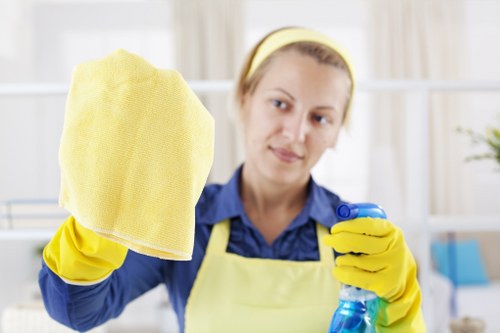
The right timing for deep cleaning depends on your lifestyle, the size of your home, and how much traffic your space gets. Some households benefit from seasonal deep cleaning, while others may need it more often due to children, pets, frequent guests, or busy schedules. A practical approach is to plan a deep cleaning session every three to six months.
There are also specific moments when deep cleaning becomes especially useful. These include before hosting events, after moving in or out of a property, at the end of winter or summer, after renovations, or when allergy symptoms become more noticeable. In these situations, deep cleaning helps restore order and freshness quickly.
Many people also choose deep cleaning when everyday maintenance starts to feel insufficient. If surfaces no longer look clean even after routine care, or if odors seem to linger, it may be time for a more detailed cleaning approach.
Planning a Deep Cleaning Routine
A good deep cleaning routine starts with a plan. Without one, the work can feel overwhelming. Breaking the process into rooms or task categories helps you stay focused and efficient. It also ensures that you do not overlook important details.
- Start by decluttering each room.
- Gather all cleaning supplies before beginning.
- Work from top to bottom to prevent dust from settling on cleaned areas.
- Focus on one room at a time.
- Complete dry tasks before wet cleaning tasks.
- Finish by vacuuming or mopping floors last.
This method makes deep cleaning feel more manageable and helps you see progress as you go. It is often easier to stay motivated when the work is organized into smaller steps.
Deep Cleaning the Kitchen
The kitchen is one of the most important areas to deep clean because it deals with food preparation, spills, grease, and frequent contact. Even if a kitchen appears tidy, hidden buildup can collect in corners, behind appliances, and around handles. A proper deep cleaning session can make the kitchen feel almost new.
Begin with the refrigerator. Remove expired items, wipe down shelves, clean drawers, and sanitize handles. Next, clean the oven and stovetop, paying close attention to grease and burnt residue. Cabinet doors, backsplash surfaces, and sink fixtures should also be scrubbed thoroughly. Do not forget the microwave, dishwasher exterior, and small appliance surfaces.
Floors in the kitchen deserve special care too. Move lightweight items when possible and clean under them. Sweep or vacuum first, then mop carefully. For extra freshness, clean baseboards and inspect corners where crumbs often gather.
Deep Cleaning the Bathroom
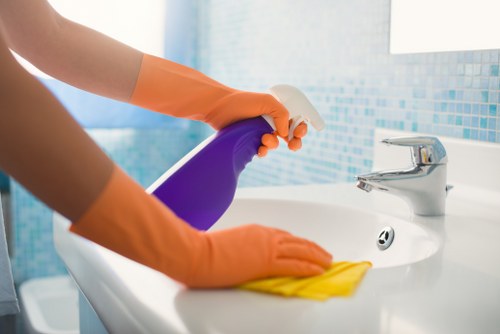
Bathrooms require consistent attention because moisture encourages soap scum, mildew, and buildup. Deep cleaning in this space is about sanitation as much as appearance. It is important to clean thoroughly and regularly to keep surfaces fresh and reduce unpleasant odors.
Start with the shower or tub. Scrub tiles, grout, drains, and shower doors. Remove soap residue from walls and fixtures, and disinfect handles, faucets, and toilet areas. Wipe mirrors, polish metal finishes, and clean around the base of toilets and sinks. If your bathroom has storage cabinets, empty them periodically and wipe inside surfaces.
Deep cleaning the bathroom also includes less visible tasks, such as washing vent covers, cleaning behind the toilet, and removing dust from corners and corners around light fixtures. These details often make the biggest difference in overall freshness.
Deep Cleaning Bedrooms and Living Spaces
Bedrooms and living rooms are often treated as low-maintenance areas, but they collect dust quickly. Upholstered furniture, bedding, curtains, lampshades, and electronics all attract particles over time. A deep cleaning routine in these spaces can improve comfort and reduce allergens.
In bedrooms, wash bedding, vacuum mattresses if appropriate, clean under the bed, and dust dressers, nightstands, and headboards. In living rooms, vacuum sofas and cushions, dust shelves, wipe remote controls, and clean around entertainment centers. If you have rugs, they may need a more thorough clean than standard vacuuming.
These spaces benefit from an uncluttered approach. When you remove excess items and clean surfaces properly, the room feels larger, brighter, and calmer. That is one of the quiet advantages of deep cleaning: it improves not only hygiene but also atmosphere.
Tools and Supplies That Make Deep Cleaning Easier
The right tools can make a big difference in how efficiently you clean. While you do not need an enormous collection of products, a well-chosen set of supplies helps you handle most tasks with less effort and better results.
- Microfiber cloths for dusting and wiping
- A vacuum with attachments for corners and upholstery
- Mop and bucket for hard floors
- Scrub brushes for grout and tough stains
- All-purpose cleaner for common surfaces
- Glass cleaner for mirrors and windows
- Disinfectant for high-touch areas
- Gloves to protect your hands during tougher tasks
Using the right product for the right surface helps prevent damage and improves results. Always check labels, especially on delicate materials like stone, wood, or specialty finishes.
Common Deep Cleaning Mistakes to Avoid
Even motivated cleaners sometimes make mistakes that reduce the effectiveness of the job. One common issue is trying to clean too many areas at once. This can make the process feel chaotic and lead to unfinished tasks. A focused room-by-room method usually works better.
Another mistake is using too much product. More cleaner does not always mean better results. In some cases, excess solution can leave streaks or residue. It is usually better to follow directions carefully and use the appropriate amount. Also, avoid skipping preparation. Decluttering, opening windows for ventilation, and gathering supplies beforehand can save a lot of time.
Perhaps the most overlooked mistake is rushing the process. Deep cleaning works best when attention is given to details. Taking a little extra time on problem areas often produces a far better outcome than moving quickly through the checklist.
How Professional Deep Cleaning Services Can Help
While many homeowners handle deep cleaning on their own, professional help can be valuable when time is limited or the work feels too large to tackle alone. Deep cleaning services often bring specialized tools, experience, and a structured process that can cover more ground in less time.
Professional cleaners are especially helpful for move-in or move-out situations, post-renovation cleaning, or homes that need extra attention after a long period without detailed maintenance. They can clean hard-to-reach areas, tackle stubborn buildup, and help restore a home to a higher standard of cleanliness.
If you are considering outside help, look for a service that focuses on detail, uses appropriate products, and offers a clear scope of work. Book your service now if you want to save time and enjoy a more polished result without doing all the work yourself.
Deep Cleaning for Different Lifestyles
Not every home has the same cleaning needs. Families with young children may need more frequent deep cleaning due to spills, toys, and high-touch surfaces. Pet owners often need extra attention on fur, dander, and odors. Busy professionals may prefer scheduled deep cleaning sessions to keep the home manageable without sacrificing free time.
For older adults, deep cleaning can reduce physical strain by addressing heavy or difficult tasks that are hard to manage alone. In shared homes or rentals, it can help reset common areas and maintain a more pleasant living arrangement. Each lifestyle creates different cleaning priorities, and deep cleaning can be adapted accordingly.
The best approach is flexible. Instead of trying to do everything at once, focus on the areas that matter most to your household. That keeps the process realistic and sustainable.
Maintaining the Results After Deep Cleaning
After investing time into deep cleaning, it makes sense to protect the results. A few simple habits can help your home stay fresh longer and reduce the need for frequent intensive sessions.
- Wipe spills immediately before they harden
- Dust high-traffic surfaces weekly
- Vacuum regularly, especially under furniture
- Clean sinks, showers, and counters more often
- Declutter rooms to reduce dust collection
- Set small monthly tasks for overlooked areas
When these habits become part of your routine, deep cleaning becomes less stressful over time. The home stays cleaner between sessions, and the next detailed cleaning will be quicker and easier.
Why Deep Cleaning Is Worth the Effort
Some people hesitate to deep clean because it takes time and energy. However, the long-term value is hard to ignore. A deep-cleaned home looks better, feels better, and functions better. It creates a healthier environment, supports organization, and can even help reduce the stress that comes from living in clutter or grime.
It also gives you a stronger sense of control over your space. When a home is deeply cleaned, it becomes easier to maintain, easier to enjoy, and more welcoming for everyday life. That is why many homeowners treat deep cleaning as an essential part of home care rather than a luxury.
If your space needs a real refresh, do not wait until the mess becomes overwhelming. Contact us today to take the next step toward a cleaner, healthier, and more comfortable home. Whether you handle it yourself or choose professional support, deep cleaning can transform the way your home feels.
Final Thoughts on Deep Cleaning
Deep cleaning is one of the most effective ways to refresh a home from top to bottom. It reaches the places that routine cleaning often misses and helps create a space that is more hygienic, more comfortable, and more enjoyable to live in. From kitchens and bathrooms to bedrooms and living areas, every room benefits from detailed attention.
By planning your work, using the right supplies, and focusing on the most important areas, deep cleaning becomes much more manageable. Whether you schedule it seasonally or call in professional help when needed, the results can be dramatic. Clean spaces support better health, better comfort, and better peace of mind.
Now is the perfect time to refresh your environment and make cleaning feel less like a chore and more like an investment in your home. Book your service now or start your own detailed cleaning plan today.