Oven Cleaning in the Modern Home: Smart Methods, Safety Tips, and Lasting Results
Why oven cleaning matters for every household
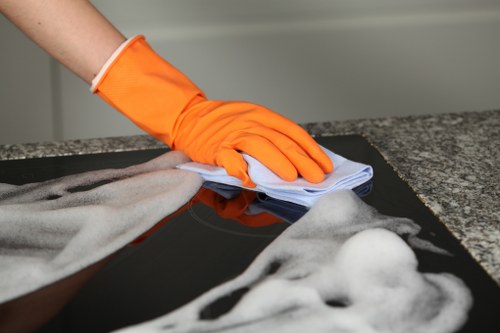
Oven cleaning is one of those household tasks that many people put off until the grease, smoke, and burnt food buildup become impossible to ignore. Yet regular oven cleaning does far more than improve appearance. A clean oven heats more evenly, smells better, and can even help your meals taste the way they should. When residue collects on heating elements, trays, and glass doors, it can affect performance and create unwanted smoke every time the appliance is used.
For busy households, oven cleaning is also a matter of convenience. No one wants to spend extra time scrubbing stubborn carbon deposits after a roast or casserole. By keeping the appliance in better condition, you reduce the amount of effort needed later. That means less scraping, less harsh chemical use, and less frustration.
There is also a safety aspect that is often overlooked. Built-up grease can become a fire hazard, especially when it sits near hot surfaces or catches drips from repeated cooking. Routine oven cleaning helps remove that risk while keeping the appliance more reliable. In other words, consistent care is not just about looks; it is about creating a cleaner, safer, and more efficient kitchen.
Common signs your oven needs attention
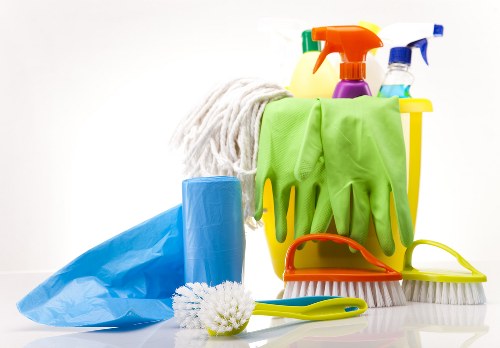
It is usually easy to tell when it is time for oven cleaning. One of the first signs is smoke coming from the appliance during normal cooking. If your oven starts smoking even when you are not broiling or roasting fatty foods, old residue may be burning inside. Another clue is a lingering odor that remains in the kitchen long after the meal is done.
Visible stains are another warning sign. Brown patches on the walls, black crust on the bottom, and sticky buildup around the door seal indicate that grime has accumulated over time. If the glass on the oven door is cloudy or streaked, you may also notice that it becomes harder to monitor your food while it cooks.
Uneven cooking can also point to the need for oven cleaning. Grease buildup can interfere with heat circulation, leading to undercooked centers, overdone edges, or longer cooking times. If you have noticed any of these problems, a proper cleaning may restore the appliance’s performance and save you time in the kitchen.
How often should oven cleaning be done?
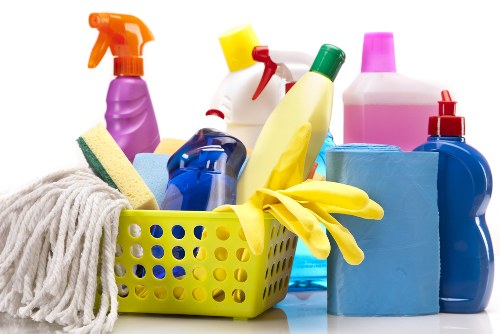
The ideal frequency for oven cleaning depends on how often you cook and what types of food you prepare. A household that uses the oven daily will usually need more frequent attention than one that only bakes occasionally. As a general rule, a light clean after messy spills and a deeper clean every few months can help keep buildup under control.
If you often roast meat, bake casseroles, or prepare dishes that bubble over, you may want to clean the appliance sooner. Fat, sauce, and sugar-based spills can harden quickly when exposed to heat. Once these substances bake onto the surface, they become much harder to remove. Staying ahead of the mess makes the process easier and reduces the need for heavy-duty scrubbing later.
For many homeowners, a regular oven cleaning routine works best when paired with small habits after cooking. Wiping crumbs, removing drips, and checking trays after each use can dramatically reduce grime. This simple approach is often the difference between a five-minute refresh and a long, exhausting cleaning session.
Preparation before you start oven cleaning
Before beginning any oven cleaning job, make sure the appliance is completely cool and switched off. Remove racks, trays, and any other detachable parts so you can access the interior properly. This also lets you clean each component separately, which usually produces better results. If your oven has a self-cleaning setting, read the manufacturer instructions first and avoid combining methods without checking compatibility.
Gathering the right tools beforehand saves time and keeps the process organized. You may need rubber gloves, a soft sponge, microfiber cloths, a plastic scraper, a non-abrasive brush, warm water, and a mild cleaning solution. For tougher buildup, a baking soda paste or a specialist oven product may be useful. Having everything ready means you can work efficiently instead of stopping mid-process.
It is also wise to protect the surrounding area. Lay towels or newspaper under the oven door if needed, and keep the room well ventilated by opening a window or switching on an extractor fan. Oven cleaning is much more comfortable when the space is airy and the work surface is protected from drips and loose debris.
Safety reminders to keep in mind
Always avoid using sharp metal tools that can scratch enamel or glass. A damaged oven surface can trap more grime in the future and may even affect appliance performance. Use gentle pressure first, then increase only if necessary.
Never mix chemical cleaners unless the label specifically says it is safe to do so. Combining products can create harmful fumes. If you prefer natural methods, stick to one approach and rinse thoroughly afterward.
Effective methods for oven cleaning
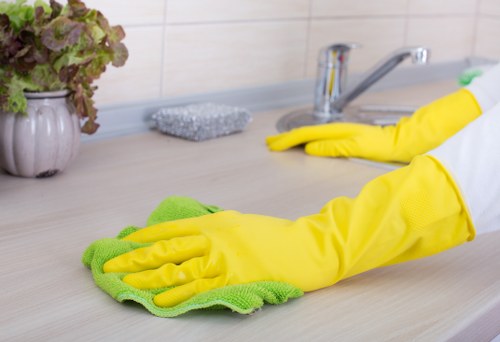
There are several ways to approach oven cleaning, and the best option depends on the level of buildup and your personal preference. Some people like natural solutions such as baking soda and vinegar, while others prefer commercial cleaning products designed to break down grease quickly. Both approaches can work well when used correctly.
A baking soda paste is a popular choice because it is simple and low-odor. You mix baking soda with water until it forms a spreadable paste, then apply it to the interior surfaces. After several hours or overnight, the residue softens and can be wiped away more easily. Vinegar can be used afterward to help lift remaining residue and leave surfaces cleaner.
Commercial oven cleaners may be better for heavy buildup, especially if the interior has not been cleaned for a long time. These products are formulated to cut through stubborn grease and carbon deposits more aggressively. When using them, follow the instructions carefully and rinse all surfaces well before cooking again. Oven cleaning should always leave the appliance safe, fresh, and free from chemical residue.
Natural cleaning approach
If you prefer a milder method, you can start by removing loose crumbs and grease with a dry cloth. Then apply the baking soda paste generously to dirty areas, avoiding heating elements and sensitive parts. Leave it to work, then wipe with a damp cloth and repeat where needed. This method is especially helpful for routine maintenance.
The natural approach is appealing because it reduces strong odors and works well for people who want a more eco-friendly routine. It may take a little more time on very dirty ovens, but it is often enough when used regularly. For many households, it is the easiest way to maintain consistent oven cleaning without harsh chemicals.
Commercial cleaner approach
For tough grease and baked-on food, a specialist product can make a big difference. Spray or apply the cleaner exactly as directed, allow it to break down the grime, and then wipe thoroughly. Use gloves and keep the room ventilated. This method can restore neglected ovens quickly, but it should be used carefully to avoid unnecessary wear on the appliance.
How to clean oven racks, glass, and removable parts
Oven cleaning is not complete until the removable parts are addressed. Racks often collect thick grease and can become discolored from repeated exposure to heat. Soaking them in warm water with dish soap or a mild degreaser can help loosen the residue before scrubbing. A non-abrasive brush is ideal for reaching between the bars without damaging the finish.
The oven door glass deserves special attention because it affects both appearance and usability. A soft cloth and a gentle cleaner usually work well for removing smudges and stains. For stubborn spots, a paste made from baking soda and water can be applied and then wiped away carefully. Clear glass makes it easier to monitor your food and contributes to the overall look of a tidy kitchen.
Knobs, handles, and exterior panels should also be included in your routine. These areas collect fingerprints, grease mist, and cooking residue from nearby splashes. A quick wipe with a microfiber cloth can make a surprisingly big difference. When every part of the appliance is maintained, oven cleaning feels more complete and the whole kitchen benefits.
Practical steps for racks
- Remove racks and place them in a sink, tub, or large basin.
- Cover them with hot soapy water and let them soak.
- Scrub gently with a brush or sponge.
- Rinse and dry fully before returning them to the oven.
Dealing with stubborn stains and burnt-on grease
Some ovens need more than a quick wipe. Burnt-on grease can cling to the sides, floor, and corners even after a basic clean. In these situations, patience matters. A longer dwell time for your cleaner often helps loosen the residue, making it easier to remove without excessive scrubbing. If you rush the process, you may end up spreading the grime instead of lifting it.
For thick buildup, it can help to repeat the process rather than forcing the stain off in one attempt. Apply cleaner, wait, wipe, and then inspect the area. Repeating this cycle is safer than using excessive force. A plastic scraper can be used gently on stubborn deposits, but care is essential to avoid scratching delicate surfaces.
Some stains are simply the result of years of accumulated neglect. In those cases, a combination method may work best: a natural soak first, followed by a targeted cleaner on the remaining problem areas. This layered approach often gives better results than relying on a single product. Consistent oven cleaning is still the most effective way to prevent these difficult stains from returning.
What to avoid with stubborn grime
- Do not use steel wool on enamel.
- Do not over-saturate electrical components.
- Do not use excessive force on glass or seals.
- Do not cook immediately after using strong chemicals unless the oven has been rinsed and aired out properly.
Benefits of professional oven cleaning
While many people handle oven cleaning themselves, professional services can be a smart choice when the job is too large, too messy, or too time-consuming. Professionals have the tools, products, and experience to clean deeply without damaging sensitive parts. This can be especially useful for ovens with heavy buildup, delicate finishes, or complex features.
A professional service can also save time. Instead of spending an entire afternoon scrubbing racks and walls, you can let trained specialists handle the job while you focus on other priorities. For busy families, this convenience is often one of the biggest advantages. The end result is usually a more thorough clean with less stress.
Another benefit is consistency. When an expert performs oven cleaning, the process often includes details that homeowners may overlook, such as the fan area, door seals, or underside of trays. This more complete attention helps maintain the appliance for longer and can contribute to better cooking results.
When to consider expert help
You may want to book a service if your oven is smoking heavily, if the odor persists after cleaning, or if the buildup is too tough to remove safely at home. Professional oven cleaning is also useful before special events, after long periods of non-use, or when preparing a property for sale or rental.
For households that use the oven often, periodic professional support can complement regular maintenance. A deep clean once in a while, combined with weekly upkeep, can keep the appliance in great condition year-round.
How oven cleaning improves cooking results and energy use
A clean oven does more than look better. It can help food cook more evenly because heat is less obstructed by grease and debris. When airflow is improved and the interior is free from heavy residue, dishes are more likely to bake consistently. That can mean better browning, fewer hot spots, and more predictable results.
There may also be efficiency benefits. While a dirty oven does not always use dramatically more energy, grime can make it work harder to achieve the desired temperature. Over time, that inefficiency can affect cooking time and convenience. Regular oven cleaning helps the appliance operate as intended, which is good for both performance and peace of mind.
Food quality can improve too. Old spills and burnt residue can create unwanted smells that affect delicate dishes like cakes, bread, and roasted vegetables. A fresh oven helps preserve the intended flavor of your meals. If you care about taste and texture, keeping the appliance clean is one of the simplest ways to support better results.
Building a simple maintenance routine
The easiest way to stay on top of oven cleaning is to create a routine you can actually keep. Start with small habits: wipe up spills once the oven has cooled, remove crumbs regularly, and check the door glass for smears. These quick actions take very little time but make a major difference over the long term.
A monthly or seasonal deep clean can then handle anything that has built up over time. Many people find it helpful to set a reminder so the task does not get forgotten. If your household cooks heavily, you may need a more frequent schedule. The goal is not perfection; it is consistency.
It can also help to use oven-safe dishes that minimize splatter. Lining trays properly and keeping an eye on bubbling casseroles can prevent much of the mess before it starts. When paired with a practical oven cleaning routine, these small habits keep the appliance in better shape with less effort.
Easy maintenance checklist
- Wipe spills after the oven cools.
- Remove and wash racks regularly.
- Check door glass and seals each week.
- Do a deeper clean every few months.
- Use ventilation while cooking to reduce smoke buildup.
Final thoughts on keeping your oven in top shape
Whether you prefer a natural approach or a stronger product, oven cleaning should be part of regular kitchen care. It supports safer cooking, better performance, and a more pleasant home environment. By addressing spills early and staying consistent, you can avoid the frustration of heavy buildup and long scrubbing sessions.
The best routine is the one that suits your cooking habits and your schedule. Some people will benefit from weekly touch-ups, while others may only need occasional deeper care. What matters most is that the appliance is not neglected for too long. Regular oven cleaning protects your investment and helps your kitchen run more smoothly.
If your appliance needs more attention than you can comfortably manage, professional support may be the simplest solution. Contact us today to learn more about keeping your oven fresh, safe, and ready for everyday cooking. Book your service now and enjoy the difference a properly cleaned oven can make.
Keep your kitchen cleaner for longer
With the right habits, oven cleaning becomes less of a chore and more of a smart home maintenance step. The result is an oven that looks better, performs better, and supports the way you cook every day.