Regular Cleaning in Homes, Offices, and Shared Spaces: Why It Matters More Than Ever
Why Regular Cleaning Is a Smart Habit for Any Space
Regular cleaning is more than a routine task; it is an essential part of maintaining a healthy, comfortable, and productive environment. Whether you manage a home, an office, a retail location, or another type of property, consistent cleaning helps protect surfaces, improve indoor air quality, and create a space people actually enjoy using.
Many people think of cleaning as something to do only when dirt becomes visible. In reality, regular cleaning prevents buildup before it becomes a serious problem. Dust, grime, allergens, and bacteria can accumulate quickly, especially in high-traffic areas. By staying ahead of the mess, you save time, reduce stress, and avoid costly damage later.
There is also a strong visual benefit. A tidy environment feels more welcoming, more organized, and more professional. In business settings, that impression matters. In homes, it contributes to peace of mind and better day-to-day living. Regular cleaning supports both appearance and long-term value.
The Health Benefits of Regular Cleaning
One of the most important reasons to invest in regular cleaning is health. Dust, pollen, pet dander, mold spores, and bacteria can linger on surfaces and in the air. Over time, these particles may contribute to allergies, respiratory discomfort, and general irritation. A routine cleaning schedule helps reduce those risks.
In kitchens and bathrooms, sanitation is especially important. These areas are prone to moisture, which creates ideal conditions for germs and mold to grow. Regular cleaning of counters, sinks, faucets, toilets, and high-touch surfaces can significantly lower contamination levels and help keep the space safer for everyone.
For families with children, seniors, or people with allergies, cleanliness is even more critical. A healthier environment can mean fewer sick days, less discomfort, and better overall well-being. If you want a cleaner, safer space, regular cleaning is one of the simplest and most effective steps you can take.
Common health-related benefits include
- Reduced dust and allergen buildup
- Lower risk of bacteria spreading on surfaces
- Less mold growth in damp areas
- Improved indoor air quality
- A more comfortable environment for sensitive occupants
How Regular Cleaning Improves the Look and Feel of a Space
A clean environment immediately feels better to be in. Regular cleaning enhances the look of floors, counters, furniture, walls, and fixtures, keeping the space bright and inviting. Even small actions, such as wiping surfaces and vacuuming consistently, make a noticeable difference in how the environment appears.
There is also a psychological effect. Clutter and dirt can create mental fatigue, while a clean space can support clearer thinking and better focus. This is one reason regular cleaning is so valuable in both homes and workplaces. When your surroundings are organized and maintained, your daily experience becomes easier and more pleasant.
In commercial settings, appearance influences trust. Clients, customers, and visitors are more likely to view a business as reliable when the property is clean and well kept. That makes regular cleaning a practical part of brand image, not just housekeeping. A polished environment reflects care, standards, and professionalism.
Areas that benefit the most visually
Floors, entryways, windows, desks, tables, restrooms, and common spaces are the first places people notice. Keeping these areas clean consistently helps preserve a strong first impression and supports the overall atmosphere of the property.
Regular Cleaning and Long-Term Maintenance
Another major advantage of regular cleaning is maintenance. Dirt and debris may look harmless at first, but if they are left unchecked, they can wear down materials over time. For example, grime can scratch floors, stains can set into upholstery, and buildup can damage appliances or fixtures.
When cleaning is done on a routine basis, surfaces stay in better condition for longer. This can reduce the need for repairs, replacements, and intensive restoration. In other words, regular cleaning is an investment in the longevity of your property and belongings.
It also helps you spot problems early. Cracks, leaks, discoloration, mold growth, and pest activity are easier to notice in a well-maintained space. That early detection can prevent small issues from becoming expensive repairs. Regular cleaning is not only about appearance; it is also a form of preventive care.
Examples of maintenance benefits
- Protects flooring from stains and surface damage
- Extends the life of furniture and upholstery
- Helps appliances stay efficient and clean
- Reduces wear caused by accumulated debris
- Makes small issues easier to identify early
What Regular Cleaning Typically Includes
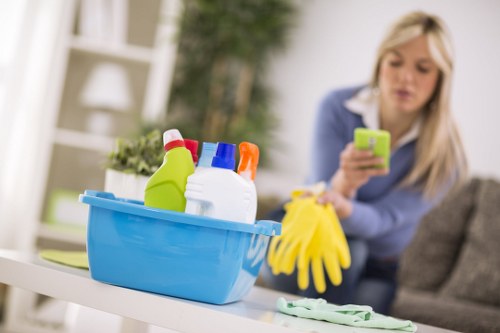
The exact tasks involved in regular cleaning will vary by property type, but most routines include a mix of surface cleaning, floor care, sanitizing, and tidying. Consistency matters more than complexity. Even a simple plan can deliver strong results when done on schedule.
For homes, this may include dusting furniture, vacuuming carpets, mopping floors, disinfecting counters, cleaning bathrooms, and taking out trash. For offices or shared spaces, regular cleaning often includes desk wiping, restroom sanitation, lobby cleaning, floor maintenance, and trash removal.
Some spaces need special attention. High-touch points such as doorknobs, switches, handles, remotes, elevator buttons, and railings should be cleaned frequently because they are touched by many people. Regular cleaning of these spots helps support hygiene and reduces the spread of germs.
Typical cleaning tasks may include
- Dusting shelves, furniture, and vents
- Vacuuming and mopping floors
- Cleaning mirrors and glass surfaces
- Sanitizing countertops and sinks
- Emptying bins and replacing liners
- Disinfecting high-touch areas
Creating a Practical Cleaning Schedule
One of the best ways to maintain regular cleaning is to create a schedule that fits the property and the people using it. A practical cleaning plan should be realistic, repeatable, and tailored to the specific needs of the space. The goal is to make cleaning manageable instead of overwhelming.
A daily routine might focus on visible surfaces, trash removal, dishes, and quick tidying. Weekly tasks could include deeper floor care, bathroom sanitation, dusting, and surface polishing. Monthly or seasonal tasks may cover windows, behind furniture, vents, and other less accessible areas. When regular cleaning is structured this way, it becomes easier to stay consistent.
For businesses, schedules should consider peak traffic times and usage patterns. A busy office may need more frequent attention than a small administrative suite. Similarly, households with pets or young children may need more frequent vacuuming and disinfecting. The best routine is the one that supports the actual conditions of the space.
Simple scheduling tips
Start with high-priority areas such as kitchens, restrooms, and entryways. Then assign cleaning tasks by frequency: daily, weekly, and monthly. This approach keeps regular cleaning organized and reduces the chances of tasks being forgotten.
Regular Cleaning for Homes: Comfort, Safety, and Peace of Mind
In a home, regular cleaning does more than keep things looking nice. It creates a healthier and more peaceful living environment. Kitchens stay more sanitary, bathrooms stay fresher, and living areas become more comfortable for daily life. The home feels easier to enjoy when it is not constantly weighed down by mess.
Households also benefit from cleaner air and fewer allergens. Vacuuming, dusting, and wiping surfaces regularly can reduce triggers that affect sleep, breathing, and overall comfort. Families often notice that regular cleaning makes routines smoother because less time is spent dealing with buildup or searching through clutter.
Another advantage is emotional. A clean home can reduce stress and support better habits. When surfaces are clear and belongings are organized, it is easier to relax, work, cook, or spend time with family. Regular cleaning helps turn the home into a place of order rather than a source of frustration.
- Improves comfort in daily living spaces
- Helps control dust and allergens
- Makes family routines easier to manage
- Supports safer kitchens and bathrooms
Regular Cleaning in Offices and Workplaces
Workplaces depend on cleanliness for both productivity and reputation. Regular cleaning in offices helps employees focus, keeps shared areas sanitary, and presents a professional image to clients and partners. A clean workplace also supports morale, because people generally work better in environments that feel cared for.
Desks, meeting rooms, break areas, restrooms, and reception areas all need consistent attention. Shared equipment such as printers, phones, and keyboards may also require frequent cleaning to reduce the spread of germs. When cleaning is done regularly, the office feels more efficient and less chaotic.
Businesses that prioritize regular cleaning often benefit from fewer maintenance issues and better use of time. Employees are less likely to deal with distractions caused by dirt, odors, or clutter. That can contribute to smoother operations and a more positive workplace culture.
Workplace cleaning priorities
- Reception and lobby presentation
- Restroom sanitation
- Common area tidiness
- Desk and surface disinfection
- Floor and carpet upkeep
Choosing Between In-House Cleaning and Professional Services
Some spaces can be maintained with in-house effort, while others benefit from professional support. The choice depends on the size of the property, the type of use, and the level of cleanliness required. For many people, a combination of internal routines and professional regular cleaning creates the best outcome.
In-house cleaning works well for smaller spaces or for ongoing light upkeep. It allows people to handle daily tasks quickly and affordably. Professional cleaning, however, can provide deeper results, specialized tools, and consistent quality for more demanding needs. This is especially useful for larger properties, high-traffic environments, or spaces that require detailed sanitation.
When deciding, think about time, budget, and expectations. If the goal is to keep a space healthy, attractive, and well maintained, professional help can be a valuable part of your regular cleaning strategy. What matters most is consistency.
Signs professional cleaning may help
If cleaning tasks are being missed, if buildup is becoming difficult to manage, or if the space has specific hygiene requirements, professional services may be the smarter option. Many property owners use professional help for deeper cleaning while handling lighter day-to-day tasks internally.
Common Mistakes to Avoid With Regular Cleaning
Even with good intentions, some common mistakes can reduce the effectiveness of regular cleaning. One mistake is waiting too long between cleanings, which allows dirt and grime to become harder to remove. Another is focusing only on visible areas while ignoring hidden spots where dust and bacteria can build up.
Using the wrong products is another issue. Some surfaces need gentle cleaners, while others require disinfectants or specialty treatments. Applying the wrong solution can damage finishes or leave residues behind. A balanced regular cleaning routine should use appropriate products and methods for each area.
It is also important not to rush through tasks. Quick wiping may make a room look better temporarily, but thorough cleaning is what delivers lasting benefits. Taking a little extra time to clean properly can make a major difference in overall results.
- Do not skip high-touch areas
- Do not ignore hidden corners and edges
- Do not use harsh products on delicate surfaces
- Do not let clutter block cleaning access
- Do not rely on occasional deep cleaning alone
How Regular Cleaning Supports Better Organization
Clean spaces are usually more organized spaces. When clutter is removed and surfaces are maintained, items are easier to find, move, and store. Regular cleaning naturally supports organization by creating routines that keep things in their proper place.
This is especially useful in kitchens, storage areas, offices, and entryways. A clear space makes it easier to identify what you actually need and what should be removed. Over time, regular upkeep can reduce clutter accumulation and make the entire environment more efficient.
Organization and cleanliness work together. The cleaner the space, the easier it is to maintain order. The more organized the space, the faster regular cleaning becomes. That positive cycle improves daily function and makes upkeep less stressful.
Benefits of cleaner organization
- Faster access to frequently used items
- Less clutter and visual noise
- More efficient storage systems
- Easier cleaning routines
- Better overall space management
Final Thoughts on Making Regular Cleaning a Priority
Regular cleaning is one of the simplest ways to protect health, improve appearance, and extend the life of any space. It supports comfort at home, professionalism at work, and a better experience for everyone who uses the environment. While deep cleaning has its place, it is the consistency of routine cleaning that creates lasting value.
The best approach is to make cleaning part of everyday maintenance rather than treating it as an occasional burden. When tasks are broken into manageable steps and completed regularly, the results are far easier to sustain. A cleaner space is not just nicer to look at; it is safer, more efficient, and more enjoyable to live or work in.
If you are ready to improve the condition of your property and maintain better standards over time, regular cleaning is the place to start. Contact us today to take the next step, or book your service now and make cleanliness a lasting priority.